Published in News
Historic Strike Erupts at U.S. Meat Plant After Months of Tension
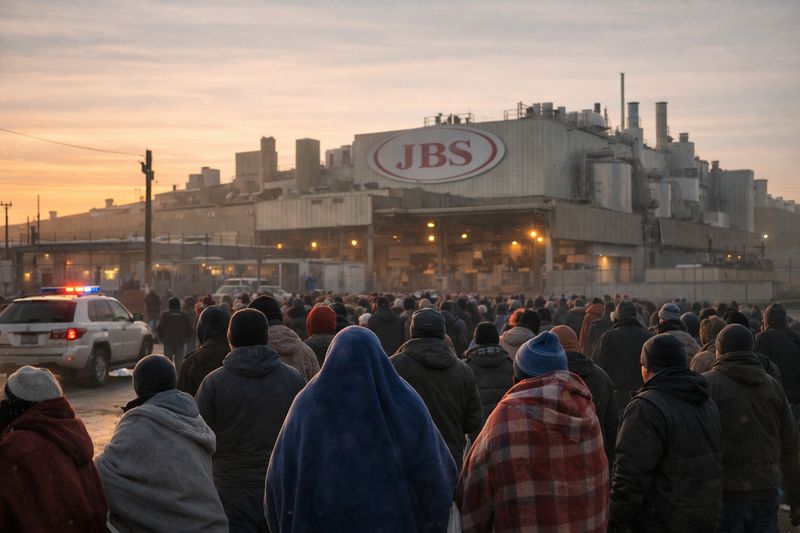
Nearly 3,800 workers have gone on strike at a major Colorado meatpacking plant, turning a long-building labor dispute into a rare and historic walkout.

Martina Osmak
Director of Marketing
From Threat to Reality
In recent weeks, workers at a large JBS beef plant in Greeley, Colorado, warned they were ready to strike.
At that stage:
99% of workers had voted to authorize a strike
Thousands signed up for strike support funds
Negotiations had been ongoing for about eight months
The union had continued working under a temporary contract extension. They warned that if talks failed, a strike could begin within seven days.
Now, that moment has arrived.
After negotiations broke down and the contract expired, workers walked out, marking the first major strike at a U.S. beef slaughterhouse in about 40 years.
Workers Demand Better Pay and Conditions
The strike centers on wages, healthcare, and working conditions.
Workers say the company’s offer falls short, especially as living costs rise in Colorado.
Their key demands include:
Higher wages that keep up with inflation
More affordable healthcare
Safer working conditions
Reimbursement for protective equipment
Union leaders say some workers have paid over $1,000 for required safety gear. They also say proposed wage increases — less than 2% annually or small hourly raises — are not enough.
Dangerous Work and Faster Production
Many workers say safety is their biggest concern.
Production speeds at the plant have increased. The line now processes about 420 cattle per hour, compared to about 390 before.
Workers say this faster pace raises the risk of injury.
Even small issues can become dangerous. For example, broken knife-sharpening equipment can leave workers using dull tools, which require more force and increase accident risk.
Pressure During Shifts
Employees also describe strict rules that add pressure during the workday.
For example:
Workers must remove and reapply protective gear for bathroom breaks
This can take five to ten minutes
Missing too many items on the line during that time can lead to discipline
Union leaders argue that the system focuses too much on speed instead of safety.
A Diverse Workforce Facing Uncertainty
The Greeley plant has a highly diverse workforce, with dozens of languages spoken.
Many workers are immigrants with legal status through programs like asylum or Temporary Protected Status (TPS).
Some have recently faced uncertainty about their ability to continue working due to possible policy changes. Although a federal judge paused some of those changes, concerns remain.
Despite this, many workers still supported the strike.
Company Position and Response
JBS says its contract offer is fair and competitive.
The company argues that:
It spent months trying to reach an agreement
The union ended negotiations too early
Workers were not given a chance to vote on the offer
JBS also says many employees have continued working and that operations are ongoing. The company may shift production to other facilities if needed.
At the same time, union officials accuse the company of unfair labor practices, including retaliation and attempts to weaken union support.
A Long History of Concerns
The Greeley plant has faced criticism in the past.
Reported issues include:
COVID-19 outbreaks that led to worker deaths
Child labor violations linked to contractors
Lawsuits alleging misleading job and housing conditions
In one case, migrant workers said they were promised stable jobs and housing but ended up in overcrowded living conditions while doing physically demanding work.
JBS says it takes worker safety seriously and wants to reach a fair agreement.
Political Attention and Corporate Influence
The labor dispute has drawn political attention.
Two U.S. senators from Colorado have expressed support for workers
Some critics point to the company’s political connections
A JBS subsidiary donated millions to a recent presidential inauguration
The company was recently approved to trade on the New York Stock Exchange
At the same time, JBS continues expanding globally, including a major investment in Oman to grow its meat business.
Impact on the Community and Industry
JBS is the largest employer in Greeley, a city of about 114,000 people.
This means the strike could affect:
Local businesses and families
Meat supply chains across the U.S.
National food prices
The timing is important. Beef prices are already high due to:
A smaller U.S. cattle supply
Drought conditions
Trade policies limiting imports
The strike could add further pressure to an already strained system.
A Rare Moment in U.S. Labor History
Large-scale strikes in the meatpacking industry are very rare.
The last comparable walkout happened in the 1980s and lasted more than a year.
This new strike could become another defining moment, showing how worker concerns over pay, safety, and conditions are shaping the future of the industry.
What Happens Next
Both sides say they are open to an agreement, but no deal has been reached.
Workers remain on the picket lines, while the company continues partial operations.
The coming days will be critical. The outcome could influence not only this plant, but labor relations across the U.S. meat industry.
Sources: