Published in News
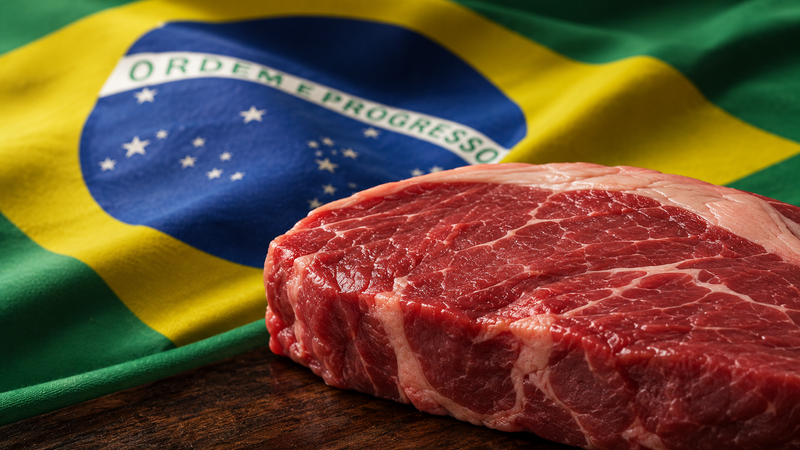
Brazil Fights EU Meat Ban as Trade Tensions Grow
Brazil is trying to reverse a new EU ban on meat imports after European officials raised concerns about antimicrobial use in livestock production.

Martina Osmak
Director of Marketing
Brazil Calls EU Decision a Surprise
Brazilian officials reacted strongly after the European Union voted to suspend imports of several animal products from Brazil starting on 3 September 2026.
The restriction affects products including:
Beef
Poultry
Eggs
Honey
Aquaculture products
Live food-producing animals
Brazil’s ambassador to the EU said the decision was unexpected, especially because it came only days after the EU-Mercosur trade agreement started applying on 1 May.
Brazil has already opened talks with the European Commission in an effort to restore its export status before the ban takes effect.
Why the EU Is Blocking Imports
The European Union says the issue is linked to antimicrobial rules in farming.
Under EU law, antibiotics and other antimicrobial substances cannot be used to promote animal growth or improve production performance. European authorities say imported products must follow the same standards as food produced inside the bloc.
According to the Commission, Brazil did not provide enough guarantees that banned substances are avoided during the full life cycle of animals used for exports to Europe.
EU officials stressed that exports could restart later if Brazil proves compliance with European standards.
Trade Deal Faces Early Pressure
The dispute comes at a sensitive moment for the EU-Mercosur agreement, which took more than two decades to negotiate.
The trade pact includes Brazil, Argentina, Paraguay and Uruguay. It lowers tariffs on many industrial and agricultural products and is expected to increase trade between Europe and South America.
However, the agreement has remained controversial.
European farmers have repeatedly argued that Mercosur producers operate under different environmental and animal welfare standards, creating unfair competition for EU agriculture.
The Brazilian case is now adding new pressure to the political debate surrounding the deal.
Animal Welfare Groups Want Broader Changes
Several animal welfare organisations said the discussion should go beyond antibiotics alone.
Campaigners argue that intensive farming systems often rely heavily on antimicrobial drugs because animals are raised in crowded and stressful conditions.
According to welfare groups, improving housing, reducing stress and allowing animals more natural living conditions could lower the need for antimicrobials in the first place.
Some organisations also criticised the EU-Mercosur agreement itself, saying Europe should not import products produced under standards that would not be accepted inside the EU.
Global Health Concerns Over Antimicrobial Resistance
Health experts worldwide have warned for years about antimicrobial resistance, often called AMR.
When antibiotics and similar drugs are overused in farming, bacteria can become resistant to treatment. These resistant bacteria may then spread through food, animals, people or the environment.
The World Health Organization considers antimicrobial resistance one of the biggest global public health threats.
The European Union estimates that drug-resistant infections cause around 35,000 deaths each year across Europe.
Because of these risks, the EU introduced stricter antimicrobial rules for its own farmers and later expanded them to imported products.
Brazil Defends Its Farming System
Brazilian authorities insist the country has strong sanitary controls and internationally recognised inspection systems.
Government officials also highlighted Brazil’s long history of agricultural exports to Europe, describing the country as one of the world’s leading animal protein suppliers.
Brazilian ministries said exports are continuing normally for now and that discussions with EU authorities are ongoing.
Industry groups believe there is still enough time to solve the dispute before the September deadline.
What Happens Next
Brazil now faces two main challenges if it wants to maintain access to the European market.
The country could introduce stricter national bans on certain antimicrobial substances. Another option would be to improve traceability systems to prove exported animals fully comply with EU requirements.
Both solutions may require major adjustments for producers and exporters.
For global meat markets, the dispute is another sign that food trade is becoming increasingly linked to health, sustainability and animal welfare standards.
Sources: