
Beyond Price: Understanding the Buyer’s World
What's your role in the meat trade?
Export Sales Representative, Suzhou Jufangzhai Food Co., Ltd. Responsible for identifying and developing B2B buyer relationships across Central Asia, Middle East, West Africa, and Southeast Asia. Direct liaison between buyer requirements and factory sourcing operations.
How long have you been in the industry?
Jufangzhai has been operating since 2013, so 13 years in frozen poultry export. We've built relationships across Central Asia, West Africa, and Southeast Asia. I bring international sales experience and fluency in English, French, and Arabic , a direct language advantage in MENA and West Africa markets where competitors (Brazil) operate in Portuguese only.
What products or markets do you focus on?
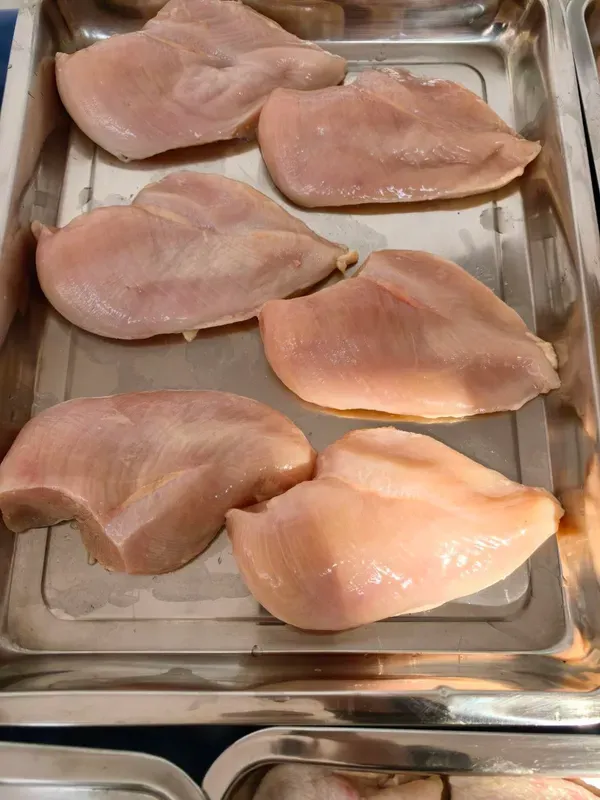
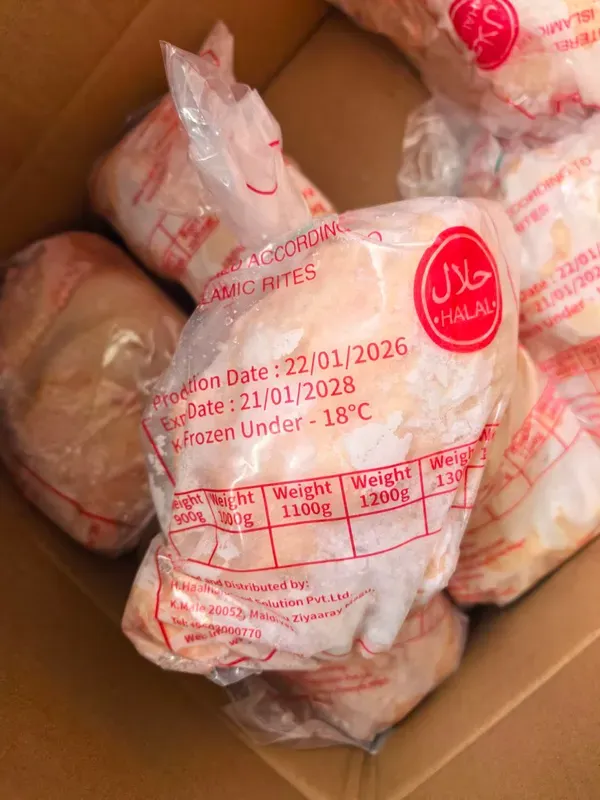
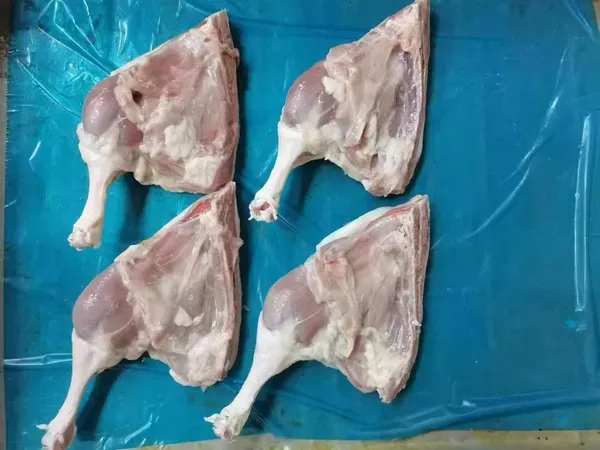
Frozen chicken cuts and full duck catalog. Primary markets: Central Asia (railway speed advantage), West Africa (French language and logistics expertise), MENA (Halal and Arabic fluency), Southeast Asia (duck specialty focus).
What's the biggest challenge in today's trade environment?
Red Sea logistics disruption extending sea freight timelines. Buyer skepticism toward new Chinese suppliers vs. established Brazil/EU brands. Lead time expectations vs. production quality requirements. Regulatory fragmentation across markets (GCC, West Africa, EU, ASEAN all require different certifications and documentation).
What makes a reliable trading partner?
Transparent pricing with no hidden margins. Consistent quality—every shipment meets specs and certifications without variance. Responsive communication (24-hour reply standard), proactive problem-solving. Logistics honesty: accurate lead times, no overselling capacity. Long-term relationship thinking, not transactional. Flexibility on custom packaging and adjusted MOQ based on buyer needs.
One piece of advice for someone entering this business?
Build relationships on specificity, not volume promises. Know your buyer's actual pain point (long lead times, price pressure, supply risk) and solve that one problem first. Generic offers fail. Personalized solutions that show you understand their world—win.
Market to watch: Central Asia. Structural import deficit, US dominance opening for China, railway speed advantage making Chinese suppliers competitive for the first time.
Most important skill in meat trading: Logistics expertise. Understanding routes, lead times, and supply chain friction better than your buyer does positions you as a strategic partner, not a commodity supplier.
What separates a good trader from a great one? A good trader knows the price. A great trader knows the buyer's world well enough to solve problems they don't even know they have yet.