Published in News
US and Canada Reopen Markets to German Meat
Germany regains foot-and-mouth disease-free status, allowing exports to resume to key North American markets.

Martina Osmak
Director of Marketing
Trade Restrictions Removed After Disease Clearance
The United States and Canada have lifted restrictions on imports of German meat and dairy products, reopening an important export market for Germany’s livestock sector.
The decision came after both countries recognised that Germany is once again free from foot-and-mouth disease (FMD).
The restrictions were introduced following an FMD outbreak in January 2025 on a farm in the Brandenburg region. Because the disease spreads very easily between livestock, many countries temporarily stopped importing German animal products to protect their own farming industries.
After monitoring the situation and confirming that the outbreak had been contained, authorities in North America decided to restore normal trade with Germany.
German officials described the move as an important step for the country’s agriculture sector, which relies heavily on international markets for meat and dairy exports.
Why FMD Matters for Global Trade
Foot-and-mouth disease is one of the most serious diseases affecting livestock. Even a single outbreak can disrupt international trade.
The disease mainly affects animals with cloven hooves, including:
cattle
pigs
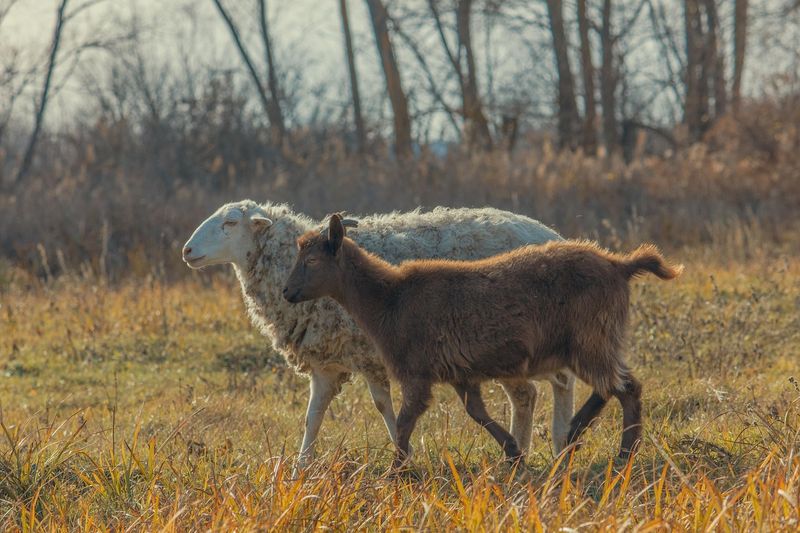
sheep
goats
other ruminants
Because the virus spreads quickly and can cause large economic losses, many countries immediately block imports from regions where the disease is detected.
For exporting countries, being officially recognised as “FMD-free” is therefore extremely important. Without this status, selling meat, milk, and other animal products abroad becomes very difficult.
What Foot-and-Mouth Disease Is
Foot-and-mouth disease is caused by a virus from the Aphthovirus group in the Picornaviridae family. Scientists have identified seven different serotypes of the virus. Each type requires its own vaccine for protection.
The disease is known for spreading very quickly between animals. Infection can happen through:
direct contact with infected animals
contaminated equipment, vehicles, or clothing
feed, milk, or other animal products
virus particles carried through the air
Infected animals release the virus through saliva, milk, and other body fluids. In some cases, animals can spread the virus before showing symptoms.
Symptoms in Livestock
Typical signs of foot-and-mouth disease include:
fever
blisters or sores in the mouth and on the tongue
lesions around the hooves or between the toes
excessive salivation
lameness and difficulty walking
While adult animals usually survive, the disease can cause serious production losses, especially in dairy cattle. Milk production can drop sharply and may not fully recover.
Young animals such as calves, lambs, and piglets face a higher risk of death, often because of heart complications or lack of milk if their mothers are infected.
Importantly, FMD is rarely a risk to humans, but it remains a major economic threat to livestock farming.
Why Germany’s Status Matters
Germany’s recovery of FMD-free status shows that the outbreak from 2025 has been successfully controlled.
Countries maintain strict monitoring systems to detect the disease early. Measures typically include:
rapid laboratory testing
movement controls on animals
quarantine rules
strict farm biosecurity
sometimes vaccination or culling of infected herds
Once international partners are confident the virus is no longer circulating, trade restrictions can be removed.
Positive Outlook for German Exports
The reopening of the US and Canadian markets is expected to support German farmers and food producers. Both countries represent large and valuable markets for European animal products.
By restoring access to these markets, Germany can resume shipments of beef, pork, dairy products, and other livestock goods, helping stabilize trade flows after the disruption caused by the outbreak.
For the global livestock industry, the situation also highlights how quickly animal diseases can affect international trade - and how important strong surveillance and control systems are in protecting both agriculture and food supply chains.
Sources: