Published in Product Information
The One-Euro Lunch
Verification on MeatBorsa costs one euro - a price so small it reads as a rounding error, or a joke. It is neither. The euro turns out to be the least interesting part of what happens when you send it.

Jordan Angelov
VP Products
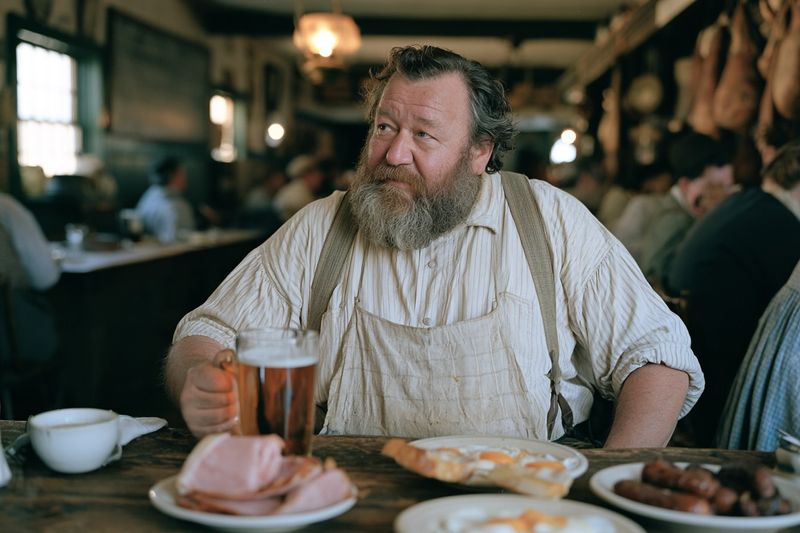
The phrase comes from the saloons. In American bars of the late nineteenth century, a man who bought a beer was entitled to lunch at no charge, and the lunch was frequently excellent: ham, sausage, pickled herring, cheese, bread, sometimes oysters. It was also, to the last crumb, engineered. Everything on that counter was salted, cured, brined, or smoked, because the saloon keeper had worked out something the customer had not - that a man eating free ham will buy a second beer, and then a third. The lunch was free. The thirst was the product.
That is where the idea comes from, and it is worth keeping in mind whenever anything is offered for nothing. Somebody has salted the ham.
MeatBorsa does not have a free lunch. It has a one-euro lunch, and I want to explain what that euro is, because nearly everybody misreads it on the first pass.
The euro is not a fee. A euro is not a revenue model; it does not even cover the cost of collecting the euro. What it is, is a test that cannot be faked. A company that does not exist can produce a great deal: a website, a letterhead, a logo, a mobile number, an English-speaking export manager, a VAT number lifted off somebody else's invoice. There is an entire cottage industry in convincing documents. What such a company cannot produce is a bank account in its own name — opened after a bank did its own checking, sitting in a jurisdiction with a regulator and a memory. When a euro arrives from that account, the bank has already done the difficult part. We are simply reading its work. It is, as far as I know, the cheapest bank-grade identity check ever devised.
What the euro buys is the more interesting half.
For most of the history of this trade, working out whether a buyer could be trusted with a truck was a matter of asking around. You called a man who sold to them last year. You listened to the pause before he answered. It was gossip with a load of frozen product riding on it, and it worked more often than it had any right to.
Verified companies on MeatBorsa see, for hundreds of other verified companies, the recommended credit limit and risk rating that Coface — an actual credit insurer, with underwriters and claims files and its own money at stake — has placed on them. Not a rumour. A number, from the people who pay when the number is wrong. You can look at it before the first phone call, which is a stage of the relationship at which the trade has traditionally known nothing whatsoever.
And then there is the part that compounds. Ratings and reviews are only worth reading if the companies writing them are real; anyone who has ever bought anything online knows exactly what a review section looks like when they are not. Every rating on MeatBorsa comes from a company that once put a euro through a bank in its own name. So your euro is not only your own credential. It is the floor that everybody else's reputation stands on, and theirs is the floor under yours. Reputation here is not a badge you buy. It is a thing you accumulate in front of an audience that has all been checked.
So: one euro, once, from your company's account. The badge turns on, the credit data opens, and your name starts meaning something in a place where people can see it.
The old saloons gave you the lunch and sold you the thirst. We will take the euro. You can keep your appetite.