Published in Market Analysis
Follow the Beans: Why China's Soy Spree Should Worry Meat Sellers
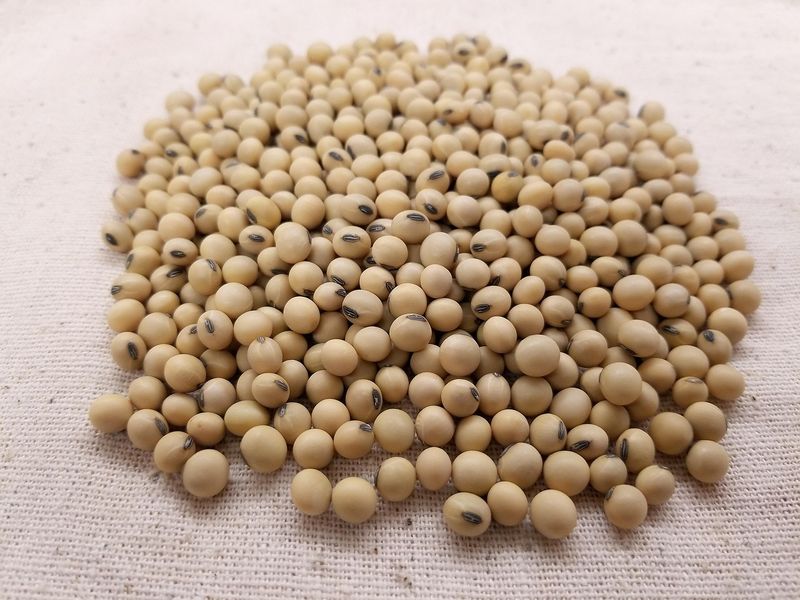
China is heading for another record year of soybean imports, and because most of those beans become animal feed, the buying spree offers clues about where the global protein and meat trade may go next.

Martina Osmak
Director of Marketing
The numbers behind the buying
China is the world's largest soybean buyer, and 2026 has been another very big year. In August, the country brought in 12.14 million tonnes of soybeans, according to customs figures. That was down about 1% from the same month a year earlier, but up almost 6% from July. Over the first eight months of the year, imports reached around 74 million tonnes, slightly above the same period in 2025.
That keeps China close to, or just above, the record pace it set last year. The United States Department of Agriculture's Foreign Agricultural Service now puts China's imports for the 2025/26 marketing year at about 112.6 million tonnes, near last year's record of roughly 111.8 million tonnes. Private and international estimates sit in a range of 109 to 114 million tonnes.
Here are the key figures at a glance:
August 2026 imports: 12.14 million tonnes, down about 1% year on year, up nearly 6% from July.
January to August 2026: around 74 million tonnes, a little above the same period last year.
Full 2025/26 marketing year estimate: about 112.6 million tonnes, close to a record.
Where the beans come from
Brazil is doing most of the heavy lifting. Between June and August 2026, Brazilian shipments to China topped 10 million tonnes a month. Brazil's soybean exports hit 9.81 million tonnes in August alone, above the record set in August 2025, and its January to August exports climbed to 92.80 million tonnes. For the full year, Brazil is on track for roughly 116 million tonnes of soybean exports.
A big reason for this South American tilt is trade policy. China keeps a 10% retaliatory tariff on United States soybeans, which makes American beans less attractive to commercial buyers. So most private purchases have gone to Brazil, with Argentina and Uruguay filling gaps as Brazilian supplies tighten and prices climb.
The United States has not disappeared from the picture. After an October 2025 agreement reached in Busan, South Korea, China resumed some American purchases. By mid-August, it had bought or shipped about 12.9 million tonnes of its United States commitment for 2025/26 and booked another 5.7 million tonnes of new-crop beans, with further volumes sold to unnamed buyers that are likely Chinese state firms.
All this demand has lifted prices. Soybean futures recently traded above 12.6 US dollars per bushel, their highest level since December 2023, supported by strong Chinese buying and weather worries in key growing areas.
Why this matters for meat: Meat Borsa's read
Here is our interpretation, and we want to be clear that it is one reading of the data, not a forecast.
Soybeans are not mainly a food crop in this story. They are crushed into oil and, more importantly, into soybean meal, the high-protein ingredient that feeds pigs and poultry. When China buys soybeans on this scale, it is buying the raw material for animal feed.
Seen that way, record soybean buying points to a country feeding a large and growing domestic protein sector. In our view, this looks like a bet on protein self-sufficiency. China may be choosing to grow more of its own pork and chicken at home rather than lean on imported meat. The short version of that idea is simple: feed today, potentially fewer meat imports tomorrow. There is some support for it in the market. The USDA's agricultural service noted that when soybean meal was cheap, Chinese feed mills reformulated their rations to include a higher share of it.
If that pattern holds, meat exporters who count on China as a buyer could face a smaller opening over time. That is a possibility worth watching, not a certainty.
Other ways to read the same numbers
A balanced view has to admit that the feed story is not the only explanation. Analysts point to several other reasons China may be buying so much soy right now:
Trade-war hedging. Heavy buying and stockpiling let China build a buffer ahead of possible tension with the United States, so some of these beans may be going into reserves rather than straight into feed troughs.
Cheap beans and front-loading. Brazil's bumper harvest pushed prices down for much of the year, giving China a reason to buy early. Traders say high stocks built over the summer should cover needs into mid-December.
Slower demand ahead. The same USDA agency expects China's imports to ease to about 108 million tonnes in 2026/27 and sees slower growth in soybean meal demand. That cuts against the idea of runaway feed expansion.
In other words, politics, prices and timing shape these import numbers as much as raw appetite for feed. The "fewer meat imports" outcome is one path among several, and the data does not settle the question.
What buyers and sellers should watch
For anyone trading meat or protein, a few signals will show which way this is heading:
Brazilian soybean premiums and whether US-China talks bring any tariff relief.
China's own pork and poultry output, and whether its feed demand keeps rising or cools.
South American carryover stocks and soybean meal prices heading into 2027.
Watching the feed market has become part of watching the meat market. The beans moving into Chinese ports today are a leading clue about the pork and chicken that country will, or will not, need to import tomorrow.