Published in News
FMD Crisis Hits South Africa’s Cattle Farms
Millions of cattle are at risk as foot-and-mouth disease spreads across South Africa, causing heavy losses for farmers and higher food prices for consumers.

Martina Osmak
Director of Marketing
A Disease Spreading Fast
South Africa is facing one of the worst outbreaks of foot-and-mouth disease (FMD) in its history. The virus has now reached almost all provinces. The hardest hit areas are Gauteng and KwaZulu-Natal.
President Cyril Ramaphosa has called the situation a national disaster.
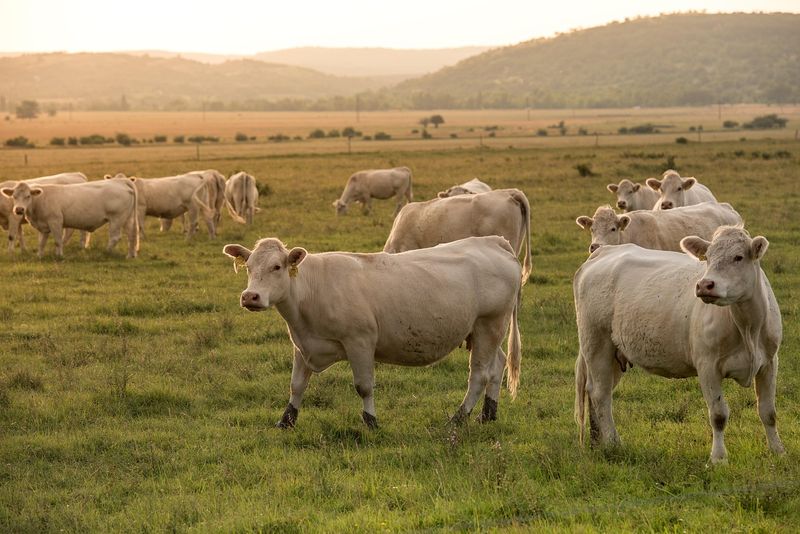
South Africa has around 14 million cattle. Many farms are now under quarantine. Animal transport is restricted. In some cases, entire herds have been killed to stop the virus from spreading further.
What Is Foot-and-Mouth Disease?
Foot-and-mouth disease is a very contagious virus that affects cattle and other livestock.
It spreads easily between animals.
It can move through direct contact and even through the air.
It is not dangerous to humans.
However, for farmers, it is devastating.
Infected animals often produce much less milk and meat. Even if they survive, they remain weak for a long time.
Big Economic Impact
Livestock farming is very important for South Africa’s economy.
Milk and meat production create thousands of jobs.
The sector earns about €3 billion per year.
If cattle numbers drop, food production also falls. This could lead to higher prices for milk and meat.
For many South Africans, this is worrying. The country already faces high unemployment and rising living costs. More expensive food will make daily life even harder.
Government Plans Mass Vaccination
To control the outbreak, the government plans to vaccinate the entire cattle population.
This will require about 28 million vaccine doses.
South Africa recently restarted its own vaccine production after a 20-year break. However, local supply is not enough. The country is importing vaccines from:
Botswana
Argentina
Turkey
The government says it is working with private companies to speed up vaccine distribution.
Farmers Under Pressure
For farmers, the crisis means rising costs and falling income.
They must pay for:
Vaccines
Veterinary treatment
Extra hygiene and biosecurity measures
At the same time, they produce less milk and meat.
One Farm’s Story
Dairy farmers Carol and Craig Houston experienced the outbreak first-hand. On New Year’s Day, they found signs of FMD in 50 of their 800 cows.
Even though they had strict safety measures in place, the virus likely came from a nearby farm through the air.
The results were severe:
Milk production dropped from 14,000 liters to 9,000 liters per day.
16 cows died.
Many young calves died from a secondary heart illness after their immune systems weakened.
The couple says the outbreak cost them more than 2.5 million rand.
Anger Over Late Response
Some farmers believe the government reacted too slowly.
They say:
Vaccinations started too late.
Testing was not wide enough.
There has been no financial compensation for losses.
The Houstons managed to have their herd declared FMD-free after intensive treatment and vaccination. But many other farms are still struggling.
What Happens Next?
The disease is still present in the country. The national disaster declaration allows the government to coordinate vaccine supply and control measures more quickly.
However, controlling FMD will take time, money, and cooperation between farmers and authorities.
For now, South Africa’s cattle industry remains under serious threat — and the economic effects may soon be felt by every consumer in the country.
Source: https://www.agrarheute.com/tier/rind/suedafrika-kaempft-schwerem-mks-ausbruch-millionen-rinder-gefahr-639408