Published in Industry Insights
Europe's Heat and Drought Squeeze Animal Feed, and Meat Prices Could Follow
Successive heatwaves and a severe drought across Europe are cutting harvests and shrinking feed supplies, and the pressure on hay, grain and pastures could push meat prices higher in the months ahead.

Martina Osmak
Director of Marketing
Successive heatwaves and a severe drought across Europe are cutting harvests and shrinking feed supplies, and the pressure on hay, grain and pastures could push meat prices higher in the months ahead.
An unprecedented crisis on Europe's farms
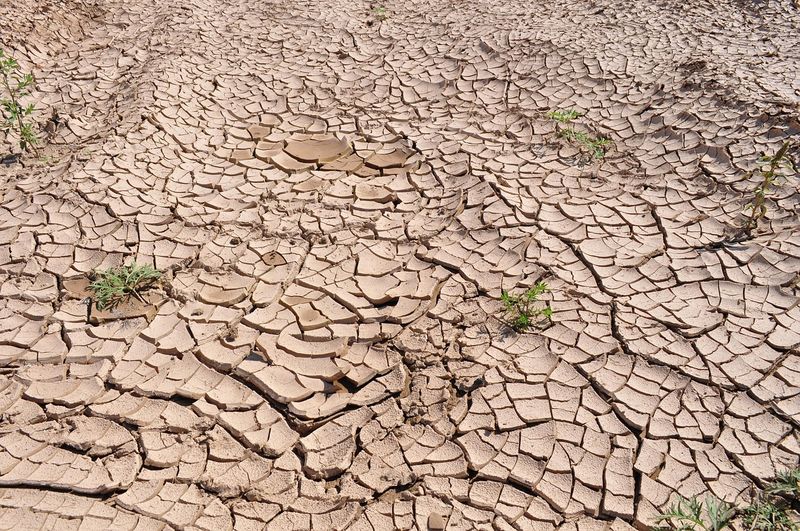
Successive heatwaves and a widening drought have left many European farmers in what growers are calling an "unprecedented" crisis. Temperatures have often passed 35C, with almost no rain and hot winds drying out fields across the continent. The Guardian reports that vegetable and grain growers are warning of "catastrophic" harvests this year.
The damage is broad. In France, Europe's largest grain producer, the maize harvest is expected to fall about 35% from 2025 to around 9 million tonnes, a level last seen in 1980. In Italy, the farm group Coldiretti says about 60% of farmland is now affected by drought, with total damage to the sector put at more than 3 billion euros. In Spain, cereal harvests are down 35% in Castilla y León, 49% in the Madrid region and 24% in Andalucía.
Why does this matter for meat? Maize, grain and grass are the feed base for cattle, pigs and poultry. When harvests shrink, feed becomes scarcer and more expensive, and that cost works its way through to meat over time.
Feed and hay are running short
The most direct risk for livestock is feed. According to Euractiv, reported by UNN, about 38% of the EU's territory is under drought, and dried-out pastures are pushing farmers to open their winter feed reserves months early.
Key feed pressures across Europe:
France's Confédération Paysanne warns of a 30% to 60% loss of feed reserves, depending on the region.
France's farm ministry says hay production for winter cattle forage is running about 30% below the 1989-2018 average, and the shortfall is spreading to more regions.
In Austria, livestock farmers have brought cattle down from mountain pastures early as grass and water run low, and some are already using winter feed or sending animals to slaughter sooner.
In Ireland, farmers are feeding next winter's silage now, which the ICMSA says is doubling or trebling the cost of producing milk.
When farmers dip into winter stocks in August, they risk a gap later in the year. That usually means buying extra feed at higher prices, or cutting herd numbers.
Dairy and livestock feel the heat
Heat stress is already lowering output. Dairy cows start to struggle above 25C, and French producers have reported milk yields down 10% to 15%. In Italy's Parmigiano Reggiano region, temperatures above 40C have cut milk yields by as much as 10% on some farms. Spain has reported sheep's milk down 6.5% and goat's milk down 10.8%.
Some farmers are also reporting animal health problems. In Ireland, dairy representatives describe embryo losses in cows during the breeding season, which they link to heat stress. These effects can reduce herd productivity well beyond this summer.
What it could mean for meat prices
The link between drought and meat prices is not instant, but it is real. As feed costs rise, some farmers reduce their herds and send more animals to slaughter earlier than planned. Euractiv notes this extra supply has been adding to a decline in meat prices for now.
The bigger risk comes later. Once this wave of extra slaughter passes, smaller herds and higher feed costs can tighten supply and push prices up. For buyers and sellers, the coming months are the ones to watch.
Signals worth tracking:
Winter feed and hay availability across France, Germany, Spain and Ireland.
Herd size decisions, since early culling now can mean tighter supply later.
Grain and maize prices, which set the cost of animal feed.
Government aid, such as France's promised 145 million euros for affected farmers.
For a market already dealing with disease outbreaks and shifting trade, the heat adds one more layer of uncertainty. Companies that plan their feed and sourcing early will be better placed if supply tightens later in the year.