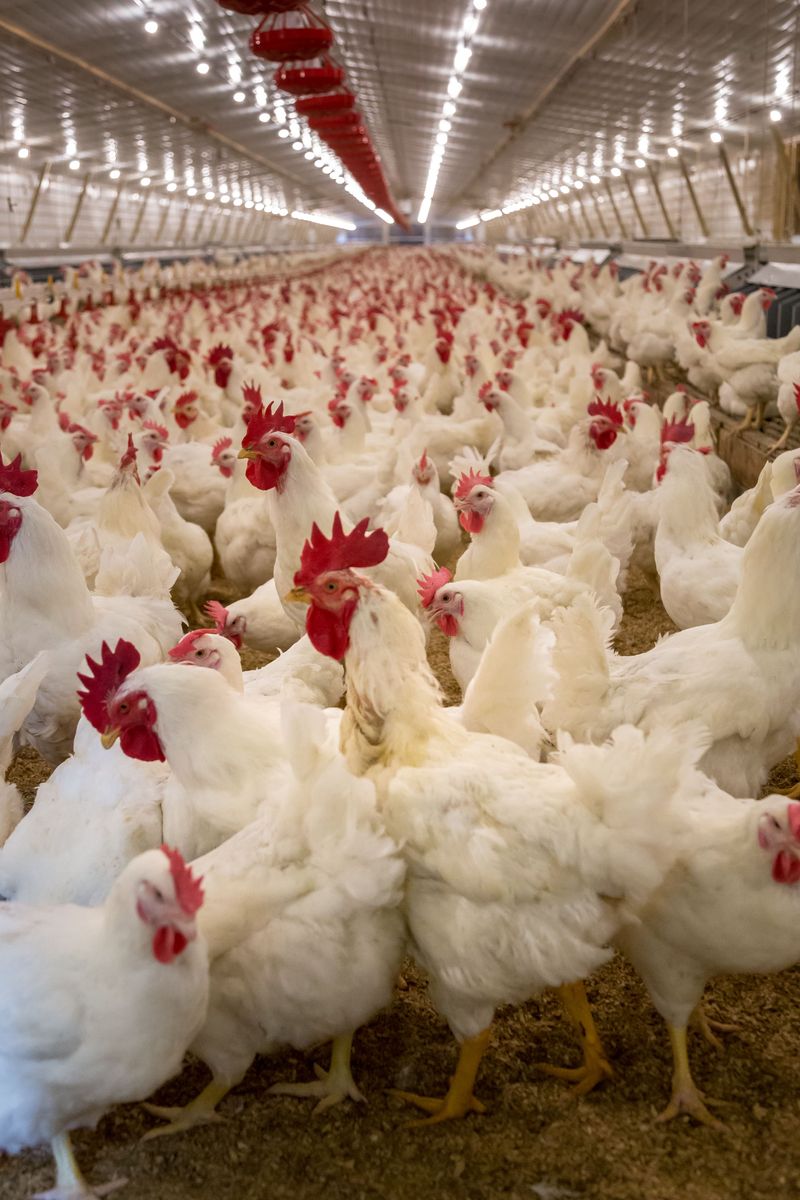
Published in News
Europe's Bird Flu Season Winds Down: What Poultry Traders Need to Know
New HPAI outbreaks in European commercial poultry flocks have fallen sharply this season. The UK has lifted its prevention zone, France has lowered risk to negligible, and new vaccination research shows major promise. Here is what buyers and sellers of poultry should know.

Martina Osmak
Director of Marketing
The 2025-2026 avian influenza season in Europe is ending on a more positive note than the year before. New outbreaks in commercial poultry flocks have fallen sharply. Several countries have lifted restrictions, and promising new research on vaccination offers hope for the seasons ahead.
Outbreaks Falling Across the Continent
In the two weeks ending June 3, 2026, only two countries reported new HPAI outbreaks in commercial poultry: Poland and France. Poland remains the most affected, with 143 outbreaks and nearly 9.72 million birds affected this season. France reported 20 new outbreaks in the same period.
The broader picture is encouraging. This season, 308 farms across 16 European countries have been hit by avian influenza. That compares to 729 outbreaks across 23 countries during the entire 2025 season - a significant improvement year on year.
Germany has made especially strong progress. Seven German federal states have officially declared the HPAI situation "resolved" in their commercial poultry populations.
One isolated new outbreak was confirmed in the Netherlands, where 77,000 broiler chickens were culled in the Friesland province. Authorities acted quickly and the situation did not spread further.
UK Lifts Prevention Zone
The United Kingdom lifted its Avian Influenza Prevention Zone (AIPZ) at noon on June 4, 2026, covering England, Scotland, and Wales. The AIPZ had required all poultry keepers to follow strict biosecurity measures, including keeping birds housed indoors where needed.
The removal of mandatory restrictions is a welcome development for UK poultry producers, who have operated under enhanced biosecurity rules for extended periods over recent years.
France Lowers Risk Level to "Negligible"
France has also taken a major step forward. Authorities lowered the official bird flu risk assessment to "negligible" - the lowest level on the national scale. This follows a very difficult few years for French poultry producers, particularly in the duck and foie gras sectors which were hit hard by previous HPAI waves.
A "negligible" risk rating allows French farmers to relax some of the mandatory biosecurity protocols that had been in place for prolonged periods.
Wild Birds Still Carry the Virus
Despite the good news for commercial farms, wild birds remain a concern. There have been 2,534 HPAI outbreaks recorded in wild birds across 32 European countries this season. The virus continues to circulate in wild and migratory bird populations, which means the risk to commercial flocks is not zero.
Poultry keepers across Europe are advised to maintain good biosecurity practices even as formal restrictions ease. The coming autumn migration season will bring another period of elevated risk, as it does every year.
Vaccination Research Shows Strong Results
New research is adding to the reasons for optimism about the long term. A study by scientists at Wageningen University and Research (WUR), Royal GD, and Utrecht University has shown that vaccination can dramatically reduce the spread of HPAI in layer flocks.
The findings are striking. In unvaccinated flocks, an infected hen passes the virus to more than six other birds on average. In vaccinated flocks, the probability of an outbreak spreading was reduced from around 96% to between 10% and 30%. The researchers also found no negative effects on egg production or animal welfare.
Italy has already moved to act on this kind of research. A vaccination pilot programme is now underway in the Lombardy and Veneto regions, covering meat turkeys and laying hens. Italy has been one of Europe's largest turkey meat producers and has experienced significant losses in recent years due to avian flu outbreaks.
What This Means for Buyers and Sellers
For B2B buyers of European poultry, the easing of restrictions in the UK and France - combined with falling outbreak numbers across the continent - may help stabilise supply in the months ahead. Buyers who faced shortages or higher prices due to culling events may find conditions gradually improving.
For sellers and exporters, the reduction in active prevention zones across multiple countries removes some of the compliance and certification burdens that come with AIPZ and equivalent national measures.
The vaccination research is also important for long-term supply planning. If vaccination programmes expand across more European countries, the risk of sudden large-scale culls - which can disrupt supply chains for months - may be significantly reduced in future seasons.
Sources
https://www.wattagnet.com/poultry-meat/diseases-health/avian-influenza/news/15826999/avian-flu-outbreaks-in-poultry-dwindle-in-europe" Avian flu outbreaks in poultry dwindle in Europe - WATTPoultry, June 8, 2026
https://www.poultrynews.co.uk/health-welfare/avian-influenza-prevention-zone-lifts-as-risk-reduces.html Avian Influenza Prevention Zone lifts as risk reduces - Poultry News, June 8, 2026
https://www.poultrynews.co.uk/health-welfare/hpai-vaccination-shown-to-cut-transmission-risk-in-layer-flocks.html HPAI vaccination shown to cut transmission risk in layer flocks - Poultry News, June 11, 2026