Published in News
Cyprus Faces Livestock Crisis
A fast-spreading animal disease outbreak in Cyprus is turning into a national crisis, putting farmers, food supply, and rare livestock breeds at serious risk.

Martina Osmak
Director of Marketing
Outbreak Expands Across the Island
Foot-and-mouth disease has now spread to more than 100 farms in Cyprus, affecting cattle, sheep, goats, and pigs.
The latest figures show:
13 cattle farms infected
Nearly 90 sheep and goat farms affected
3 pig farms hit, including large units
Tens of thousands of animals have already been culled in an effort to stop the virus. Officials say more cases are still expected, even though early signs suggest the outbreak may be slowing.
The disease spreads very easily. It can move through direct contact between animals, through the air, and even on clothing, vehicles, and farm tools.
Rare Native Breeds in Immediate Danger
The crisis has taken a more serious turn after infections were found in farms breeding Cyprus’s rare native animals.
These include:
Cyprus fat-tailed sheep
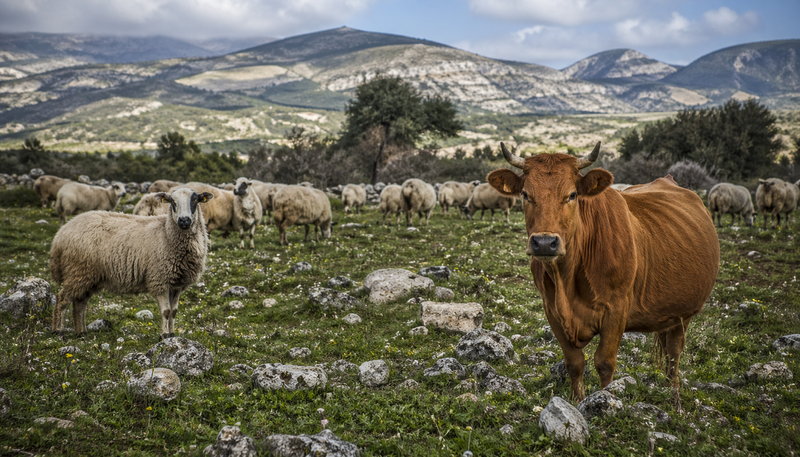
Red cattle, known for their hump and unique features
These breeds are not just farm animals. They are part of the island’s cultural and agricultural history.
Their numbers are already very low:
About 1,185 fat-tailed sheep remain across Cyprus
Around 1,243 red cattle were recorded last year
Only a limited number of farms maintain pure bloodlines
Experts warn that losing even a small number could push these breeds closer to extinction.
A Difficult Decision for Authorities
Officials now face a complex choice. Under European Union rules, animals in infected areas are usually culled to stop the disease.
However, there is an exception. Rare breeds with high genetic or cultural value may be spared, but only if strict conditions are met.
Authorities are considering several options:
Cull only animals that test positive
Cull entire herds to remove all risk
Request special permission to protect certain animals
The final decision will depend on scientific data, disease risk, and proof that the animals are pure native breeds.
Farmers Fear Losing Generations of Work
Behind the numbers are farmers who may lose entire herds built over decades.
Some breeders say their animals represent generations of careful work and family history. For them, the possible loss is not only financial but deeply personal.
At the same time, frustration is growing across the farming community. Protests have taken place, and many farmers worry about delayed compensation and an uncertain future.
There are also fears that a large number of farmers may not return to livestock production after the crisis ends.
Strong Measures to Contain the Virus
The government has introduced strict controls to slow the spread:
Nationwide vaccination of cattle and other animals
Movement bans on livestock and farm equipment
Intensive testing in affected areas
Fines for illegal animal transport
Vaccination has become a key tool. Officials report that a large share of cattle and a growing number of sheep, goats, and pigs have already received doses.
Early evidence suggests the vaccine is helping reduce new infections.
Economic Pressure and Food Security Concerns
The outbreak is not only a health issue for animals. It is also putting pressure on the wider economy.
So far:
More than 30,000 animals have been culled
Livestock losses are affecting production and income
Some farmers may shut down permanently
Industry leaders warn that food security is now a serious concern. They argue that Cyprus must strengthen its ability to produce its own food, especially during global uncertainty.
At the same time, key exports such as halloumi cheese continue, as the production process makes them safe from the virus.
Regional Spread Raises Alarm
The situation is not limited to Cyprus. Greece has also reported outbreaks, especially on the island of Lesvos.
This wider spread increases concern across Europe. Foot-and-mouth disease is highly contagious and can cross borders quickly if not controlled.
Different countries are taking different approaches. Cyprus is focusing on vaccination along with culling, while Greece has relied more heavily on strict containment and slaughter policies.
A Turning Point for Agriculture
Many experts believe this crisis could change the future of farming in Cyprus.
They are calling for:
Better biosecurity on farms
Investment in modern technology
Solutions to long-term issues like water shortages
Support to attract younger people into agriculture
The outbreak has exposed weaknesses in the system but also created pressure for reform.
Critical Days Ahead
A key decision on whether to spare or cull rare native breeds is expected soon.
This decision will carry long-term consequences. It will shape not only the future of disease control but also the survival of some of Cyprus’s most unique animals.
For now, the country remains in a race to contain the virus while trying to protect its agricultural heritage.
Sources:
https://in-cyprus.philenews.com/local/fmd-larnaca-rare-native-breeds-cyprus/
https://cyprus-mail.com/2026/04/28/foot-and-mouth-crisis-a-matter-of-national-food-security
https://www.stockwatch.com.cy/en/news/fmd-begins-to-decline-while-culling-continues-in-cyprus
https://cyprus-mail.com/2026/04/28/decision-on-culling-of-rare-breeds-to-be-reached-within-the-week