Published in Market Analysis
Chokepoint 2026: How the Hormuz Closure is Rewiring the Global Meat Trade
What the Hormuz closure and the looming threat to the Red Sea mean for global protein supply chains, and freight and fertiliser costs.

Bo Pedersen
Chief Revenue Officer
Market Snapshot
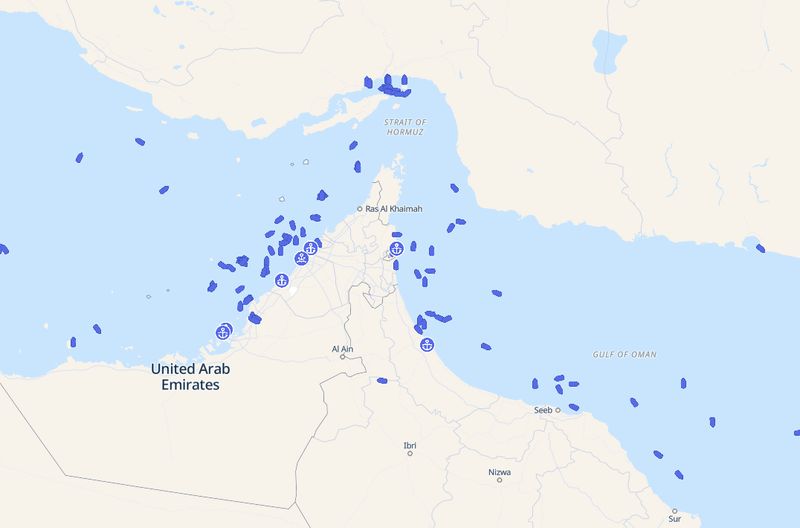
The de facto closure of the Strait of Hormuz has paralysed Gulf logistics, while the renewed threat to the Red Sea—which had recently seen freight volumes recover following the Houthi crisis—raises the spectre of a devastating "double sea blockade."
Maritime freight costs are surging, with reefer container surcharges for Middle Eastern routes reaching $3,800 to $4,000 per TEU.
Extended transit times and regional diversions are forcing some exporters to freeze premium chilled meat mid-transit, destroying commercial value.
Global energy and LNG disruptions are driving up baseline meat processing and cold-storage costs worldwide.
Middle Eastern fertiliser export restrictions have caused urea prices to spike by over 25%, signalling severe feed inflation for poultry and swine producers.
The key take away: the global meat industry is facing a massive macro-cost inflation shock, compounded by severe regional logistics breakdowns and the looming threat of wider maritime closures.
So What?
Most geopolitical shocks take time to filter down to the farm gate.
But the closure of the Strait of Hormuz is different. Across the industry, pressure is building at multiple points in the system simultaneously — from maritime freight availability to the cost of animal feed.
While the Suez Canal and the Red Sea currently remain open—with global freight volumes having successfully recovered from the Gaza-related Houthi disruptions—the geopolitical threat of a renewed closure is acute. The international meat trade relies almost entirely on highly orchestrated, temperature-controlled logistics. With major carriers suspending operations in the Persian Gulf due to uninsurable risks, the Hormuz supply chain has hit a wall. If the Red Sea threat materialises, the primary maritime arteries linking East and West will be functionally severed.
The Physical Shock: A Paralysed Cold Chain
For Gulf-bound traffic, the logistics network is already frozen. Furthermore, the acute threat to the broader region is forcing risk-averse carriers to preemptively divert vessels around the African continent, a route that adds 10 to 15 days to standard voyage times and increases maritime fuel consumption by up to 40%.
For premium chilled beef, pork, and lamb, these extended transit times threaten commercial viability.
Exporters caught in these diversions or trapped outside the Gulf are increasingly forced to freeze premium chilled products mid-transit to salvage the biomass. This degrades the meat's value and creates severe regulatory and labelling non-compliance at destination ports.
Ocean carriers have instituted emergency freight increases and war-risk surcharges. Surcharges for refrigerated (reefer) containers heading near conflict zones have been reported as high as $4,000 per TEU, erasing export margins overnight. Furthermore, the Hormuz blockade has effectively trapped massive amounts of Gulf-bound container capacity, creating reefer shortages worldwide.
The Macro Shock: Energy and Fertilisers
Even if a meat processor does not export a single ounce of protein to the Middle East, they are entirely exposed to the secondary macroeconomic shock.
Modern meat production is, at its core, an energy-to-protein conversion process. The Strait of Hormuz facilitates the transit of roughly 25% of the world's seaborne oil trade and 20% of its liquefied natural gas (LNG).
Meat processing is incredibly energy-intensive. Slaughterhouses, rendering plants, automated packing lines, and commercial cold-storage facilities require massive, continuous electrical inputs. As global energy benchmarks surge, post-farmgate operational expenses are skyrocketing.
Perhaps the most dangerous long-term threat is the disruption of the Middle East's massive fertiliser output. Up to 30% of global fertiliser inputs move through the Strait. Natural gas is the primary chemical feedstock for synthesising these nitrogenous fertilisers.
Global urea prices jumped over 25% in a matter of weeks. This fertiliser shock transmits directly into the livestock sector. High fertiliser prices dictate the cultivation costs of corn, wheat, and soybeans globally. As crop yields are threatened, animal feed will become significantly more expensive.
Implications:
Margin Collapse: For mono-gastric producers (poultry and swine), feed constitutes up to 70% of variable costs. Surging grain prices will depress margins globally.
Value Destruction: The disruption of "just-in-time" chilled meat logistics to the Middle East forces a downgrade from premium chilled to distressed frozen commodity sales.
Geopolitical Risk Premium: Even with the Suez Canal currently open, the cost of securing freight through the broader region includes a massive, baked-in risk premium that will not dissipate quickly.
Recommended Actions:
Meat Producers: Evaluate feed procurement strategies immediately. Lock in grain and soy contracts to hedge against impending fertiliser-driven inflation.
Meat Traders: Re-evaluate long-haul export routes. The uninsurable risks of maritime transit into the Gulf mean pivoting toward regional, near-shored markets may be necessary.
Meat Processors: Factor in sustained increases in baseline energy and cold-storage costs. Audit your supply chain for trapped reefer container exposure.
Meat Buyers: Anticipate rising wholesale and retail prices. The era of cheap, globally sourced protein is temporarily suspended as supply-side logistics and input constraints bite.
What the Market Should Watch
Red Sea Transit Volumes — any drop in Suez Canal traffic signals that the "double blockade" is becoming a reality.
Brent Crude and LNG indices — sustained high prices will dictate processing and transport inflation.
Global urea prices — the leading indicator for upcoming livestock feed costs.
Container availability — whether trapped Gulf capacity causes secondary shortages on trade routes disconnected from the Middle East.