Published in Market Analysis
British Shoppers Bought 10.6% Less Lamb as the Price Rose 9%, and Beef Is Back in the Basket
UK retail lamb volumes fell 10.6% in the 12 weeks to 1 November while the average price rose 9.2% and beef returned to growth for the first time in 19 months, and our view is that British lamb has reached the point where shoppers buy less rather than pay more.

Martina Osmak
Director of Marketing
MeatBorsa's take
This section is our reading of the news, not reported fact. The confirmed figures follow below.
We think British lamb has reached a price point where shoppers no longer simply pay more. In the 12 weeks to 1 November, the average retail price of lamb in Britain rose by 9.2%, but volumes fell by 10.6%. The result is that shoppers spent 2.4% less on lamb in total, even though each kilo cost more.
That last number is the one we would underline. When a price rise lifts total spend, the market is absorbing it. When total spend falls, buyers are walking away faster than the price is rising. In our view, that is what British retail lamb looks like right now.
At the same time, lamb is not getting cheaper at farm level. In Northern Ireland, processor base quotes for R3 lambs stood at 690p/kg up to 22kg on 18 November. So the squeeze sits in the middle of the chain: high costs coming in from the farm, and shoppers who are buying less at the other end.
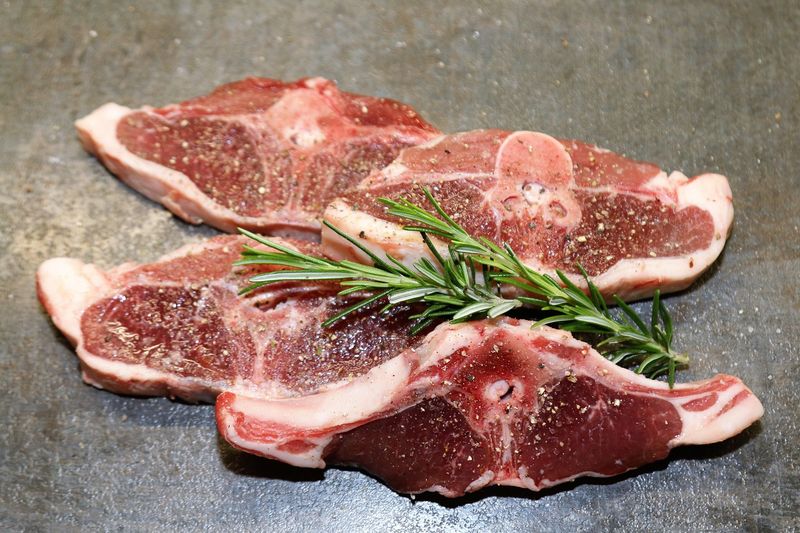
The detail inside the lamb figures matters even more for traders. Shoppers did not leave lamb evenly. Volumes of primary cuts fell 13.4% and processed lamb fell 22.8%, while stewing lamb rose 24.6% and lamb mince edged up 0.9%. We read this as shoppers trading down within lamb, keeping the flavour but choosing the cheaper cuts.
For the carcase, this could create an imbalance in the coming months. Cheaper forequarter and stewing cuts appear to have a home in British retail, while the higher-value cuts, which carry more of the carcase value, are meeting weaker home demand. If that continues, we would expect more pressure to find other outlets for legs, loins and racks, including export markets in continental Europe.
Beef tells the opposite story, but quietly. Beef volumes rose 0.9%, the first growth in 19 months, with the average price up only 1%. With lamb 9% dearer and beef almost flat, we think part of the shift is simple relative value: beef now looks like the easier choice for many households.
What we assume, and why we could be wrong
- We assume the lamb volume drop is mainly about price. A 9.2% price rise next to a 10.6% fall in volume is a strong hint, but the data does not prove it. Changes in promotions, retailer ranging or the timing of religious festivals could also play a part.
- We assume farm-level lamb prices stay high into December. Northern Irish base quotes of 690p/kg suggest supply is still tight. If more lambs come forward than expected, farmgate prices could ease and some of the retail pressure would fade.
- We assume the cut-level shift continues. Christmas is a strong season for roasting joints, so the next set of figures could show primary cuts recovering for a few weeks. That would weaken our view on the carcase imbalance, at least in the short term.
- The beef recovery is small. Growth of 0.9% after 19 months of decline is a turning point on paper, but one 12-week window is not yet a trend. It could reverse with the next price move.
What the numbers actually say
The UK retail figures come from the Agriculture and Horticulture Development Board (AHDB), based on Worldpanel by Numerator data for the 12 weeks ending 1 November 2026, compared with the same period a year earlier. FarmingUK reported them on 18 November and Agriland on 20 November.
For lamb, retail volumes fell 10.6% while the average price rose 9.2%, leaving total spend 2.4% lower. Within lamb, primary cuts were down 13.4% and processed lamb down 22.8%. Stewing lamb was the strongest line, with volumes up 24.6%.
For beef, volumes rose 0.9%, spend rose 1.9% and the average price rose 1%. Steak volumes grew 8.1%, and beef mince returned to growth for the first time since April 2025. Across all red meat, retail volumes were 1.4% lower, and pork volumes fell 2%.
Key figures at a glance:
- Lamb retail volume: -10.6%
- Lamb average retail price: +9.2%
- Lamb total retail spend: -2.4%
- Beef retail volume: +0.9%, first growth in 19 months
On the farm side, the Livestock and Meat Commission for Northern Ireland (LMC) reported base quotes for R3 lambs of 690p/kg up to 22kg carcase weight on 18 November, based on quotes from two of the three main Northern Irish sheep processing plants.
What we are watching next
The next retail data release will cover the Christmas weeks, when roasting joints usually sell better. We will look at whether primary lamb cuts recover or keep falling, and whether stewing lamb holds its gains.
We are also watching weekly lamb base quotes in Northern Ireland and Great Britain. If farm-level prices start to ease while retail prices stay high, the gap in the middle of the chain would widen further.
For anyone trading lamb into or out of Britain, a useful question to ask partners is how their own cut mix has changed since the summer, and where the higher-value cuts are now being sold.
Sources
Lamb sales slump by over 10% as beef finally returns to growth - FarmingUK
Beef retail volumes rise in the UK after 19-month decline - Agriland
Market Update - Livestock and Meat Commission for Northern Ireland