Published in Market Analysis
Australia's Lamb and Mutton Prices Smash Records as the World Runs Short of Red Meat
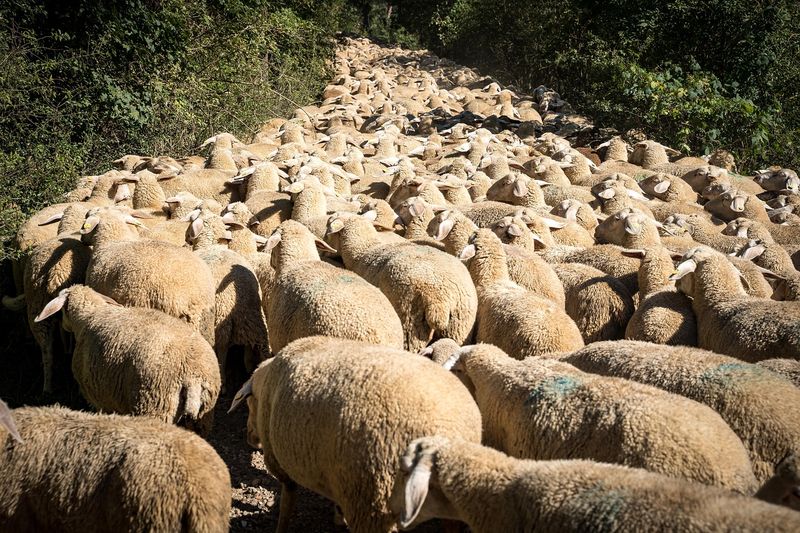
Record sheep prices in Australia, very tight supply, and a global beef shortage are reshaping red meat trade in mid-2026, with knock-on effects for buyers everywhere.

Martina Osmak
Director of Marketing
Australia is the world's biggest exporter of sheepmeat, so what happens in its saleyards affects buyers far beyond the country. In early July 2026, both lamb and mutton prices there climbed to new highs. The main reason is simple: there is not enough red meat to go around, and demand is strong.
This article looks at how high Australian sheep prices have gone, why supply is so tight, and how a worldwide beef shortage is pulling lamb prices up with it. It also covers the shifts now happening in global beef trade. All prices below are in Australian cents or dollars per kilogram, measured on a carcase weight basis.
A Record Run for Australian Sheep Prices
Mutton, the meat from older sheep, has led the way. In the first week of July, the National Mutton Indicator sat around 914 cents per kilogram after peaking at 927 cents midweek. Just a week earlier it had passed 900 cents for the first time ever.
That price is about 34% higher than a year ago, and roughly 79% above the five-year average. To put it another way, mutton is now worth more than double what it was only two years ago. Prices were even higher in some states, averaging 930 cents in New South Wales and 958 cents in Victoria.
Lamb has also broken records. The Merino Lamb Indicator reached a new high of 1,156 cents per kilogram before easing slightly, up about 23% on the year. Here are the key figures for the first week of July:
National Mutton Indicator: about 914 cents/kg, a record, up 34% year-on-year
Merino Lamb Indicator: a record 1,156 cents/kg, up 23% year-on-year
Trade and restocker lambs: trading above 12 Australian dollars per kilogram
Why Supply Is So Tight
The record prices come down to a sharp fall in the number of sheep coming to market. In late June, weekly sheep slaughter dropped below 46,000 head, almost 60% lower than the same week a year earlier. Analysts noted this was one of the lowest weekly figures seen since 2013. Lamb slaughter also fell, though by less.
Several factors are keeping supply low. Winter weather and recent rain in southern Australia have encouraged some farmers to hold onto their animals rather than sell. On top of that, many processing plants are closing for seasonal maintenance over the coming months.
The effect is that fewer animals are available, and prices keep rising. Trade and restocker lambs have pushed above 12 Australian dollars per kilogram, even though export conditions have softened. This tells us that current prices are being driven mainly by scarcity at home.
The Global Beef Shortage Is Lifting Lamb
Sheep prices are not moving on their own. Speaking at the LambEx industry event, United States-based analyst Brett Stuart of Global Agritrends explained that beef and lamb prices tend to move together, even if not step for step. When beef becomes scarce and expensive, some buyers turn to lamb, and that lifts lamb prices too.
Right now, almost every major beef-producing country has been reducing its cattle numbers in recent years. Stuart expects the global cattle herd will not begin to rebuild for about two more years, so red meat is likely to stay tight and expensive.
Consumer demand is also part of the story. In the United States, retail sales of most meats grew in value this year, with lamb a small but fast-rising category:
Beef: up 12.4% by value
Chicken: up 6.5%
Lamb: up 7.4%
Pork: up 3.3%
Looking ahead, Stuart forecasts an average price of around 1,225 cents per kilogram for Australian trade lambs in 2027. Red meat analyst Matt Dalgleish of Episode3 expects a peak closer to 1,250 cents late this winter, but warns it may not last. He notes that lamb is still seen by many overseas buyers as a basic commodity, which limits how high prices can go before buyers push back.
Where the Meat Is Going
Australia supplies roughly 60% of the world's sheepmeat exports, so its trading patterns shape the global market. Even with less meat to sell, Australia has held onto its main customers so far in 2026.
For the year to date, the split of Australian lamb exports looks like this:
United States: about 39% of Australian lamb exports, likely a record share
China: about 32%, also close to a record
United Kingdom and European Union: both increased their intake compared with 2025
The picture for mutton is different. Total Australian mutton exports fell below 10,000 tonnes in June, the lowest monthly figure since July 2022. Chinese demand for mutton has dropped by more than half this year. Exports to the Middle East have also weakened, partly because of high prices and partly because regional conflict has disrupted shipping and demand.
Beef Trade Is Shifting Too
The tightness in beef is now changing trade routes, which matters for buyers everywhere. Australia officially filled its tariff-free beef quota for China on 18 June 2026. Exporters have since redirected supply to other Asian markets such as Japan and South Korea, and Australia is close to reaching South Korea's safeguard limit as well.
Brazil, the world's largest beef exporter, is expected to reach its own China quota of about 1.1 million tonnes in late July or early August. When that happens, Brazilian exporters will need to find other buyers. Because the United States is Brazil's second-largest market, this is likely to increase competition with Australian beef there and put more pressure on prices.
What Buyers and Sellers Should Watch
For companies trading red meat, the coming months bring both risks and openings. A few points stand out:
Trade barriers remain important. The European Union quota for Australian sheepmeat is very small, at 5,851 tonnes, and Australian lamb faces a 10% tariff entering the United States, while beef is exempt. A proposal to raise that lamb tariff to 30% is still under review, and analysts think it is unlikely to pass.
Weather is a wildcard. A possible shift to El Nino conditions in Australia could tighten supply further if drought returns, or ease prices if the season stays wet.
Animal health is back in focus. H5N1 bird flu has been found in wild migratory birds in Western Australia, South Australia and New South Wales. No commercial poultry cases have been confirmed, and authorities say a response plan is ready.
The beef quota reshuffle may create short-term buying chances. As Australian and Brazilian beef looks for new homes, some regions could see extra supply and softer prices in the weeks ahead.
The wider message is that red meat markets are closely linked across borders. A shortage of cattle on one side of the world is now helping to push lamb and mutton to record highs on the other. Buyers and sellers who follow both markets together will be best placed to plan ahead.