Published in News
Animal Diseases Appear in New Regions, Putting Pig Industry on Alert
Recent outbreaks of Foot-and-Mouth Disease and African Swine Fever show how quickly animal health risks can change across Europe and beyond.

Martina Osmak
Director of Marketing
New Cases Raise Questions About Disease Movement
Animal health authorities are paying close attention to several recent outbreaks after two major livestock diseases appeared in areas where they were not expected.
Both Foot-and-Mouth Disease (FMD) and African Swine Fever (ASF) have been detected in new locations during recent months, creating fresh concerns for the pig sector and increasing the need for disease surveillance.
The developments highlight a growing challenge for farmers worldwide: animal diseases are no longer staying within their traditional boundaries.
Europe Sees Fresh Disease Activity
Several countries have reported new disease incidents this year.
FMD has recently affected farms in Cyprus and Greece, while the SAT-1 strain continues to circulate in parts of the Middle East. The appearance of this strain in additional countries has attracted attention from veterinary authorities monitoring regional livestock health.
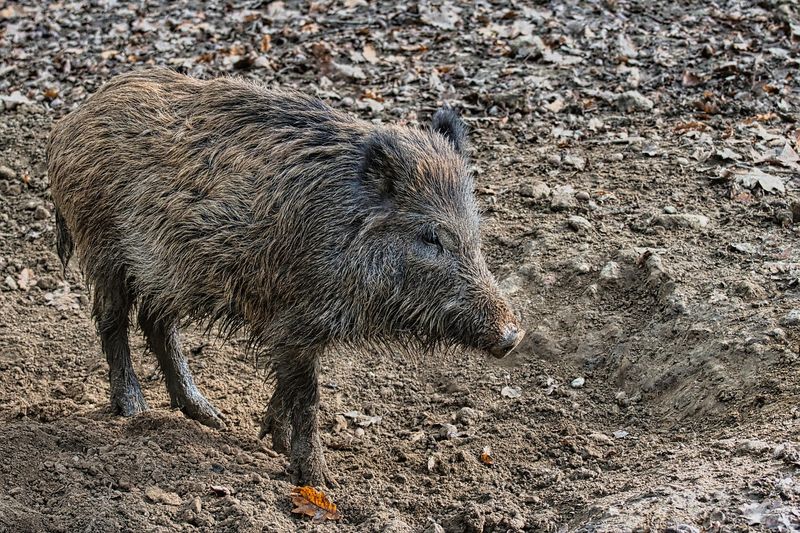
At the same time, ASF has been reported in wild boar populations in parts of Spain where the disease had not previously been recorded. Germany has also confirmed infected wild boar in Saxony, despite the region previously being considered free from the disease.
Wildlife Remains a Key Challenge
Wild boar continue to play an important role in the spread of ASF across Europe.
Unlike commercial farms, wild animal populations move freely across large areas, making disease control much more difficult. Even when a region successfully reduces or eliminates infections, new cases can appear again through wildlife movement.
This is one reason why many countries continue investing in monitoring programs and testing efforts.
Why These Outbreaks Matter
The latest cases are not only about the number of infected animals.
Experts are particularly interested when a disease reaches a new area, reappears after a long absence, or affects different animal populations than usual. Such events can provide clues about how viruses are changing and what risks may emerge in the future.
Understanding these patterns helps authorities improve prevention plans and react faster when new outbreaks occur.
Producers Urged to Stay Vigilant
For livestock producers, disease awareness remains an important part of farm management.
Industry organizations continue to encourage strict biosecurity measures, especially during periods of increased international travel. Clothing, footwear, equipment, and vehicles can all become potential pathways for disease introduction if proper precautions are not followed.
While the recent outbreaks remain concentrated in specific regions, they serve as another reminder that animal diseases can spread quickly when conditions allow.
Global Monitoring Becomes Increasingly Important
The pig industry has faced repeated disease challenges in recent years, from ASF outbreaks across multiple continents to the return of FMD in areas that had not seen the disease for decades.
As new cases emerge and disease patterns shift, regular monitoring and information sharing are becoming more important than ever. Early warning systems, surveillance networks, and strong farm biosecurity remain among the industry's most effective tools for reducing risk and protecting production.
Sources: