

Published in News
Market Pulse: Avian Flu's Early Surge, UK Beef Market Turmoil, and a Cautious Global Pork Outlook
HPAI's early return threatens European poultry, UK beef producers face spiralling costs, and global pork navigates trade instability.

Animal Health: Avian Flu Spreads Rapidly in Early-Season Surge
What happened: Highly pathogenic avian influenza (HPAI), or bird flu, is spreading across Europe at an unusually early and rapid pace. According to recent reports, 10 countries have already confirmed outbreaks in poultry this season, the highest number for this early in the year in at least a decade. New cases have been confirmed in countries including Slovakia and Belgium, prompting authorities to order all poultry to be kept indoors.
Why it matters: This early surge is a critical threat to the European poultry sector, raising fears of a repeat of previous crises that led to the culling of tens of millions of birds. For major poultry-producing nations, including those in Eastern Europe, any outbreak triggers immediate trade restrictions, disrupts supply chains, and necessitates costly biosecurity and culling measures.
Implications & suggested actions:
Producers (EU): Immediately enforce and elevate all biosecurity protocols. All non-essential access to farms should be prohibited. Monitor flocks closely for any signs of the disease and report them immediately.
Traders (EU): Prepare for significant supply chain disruptions and regionalisation measures. Identify alternative sourcing from regions that remain HPAI-free, as poultry meat from affected zones will be blocked.
Vets & Authorities: Increase surveillance and testing, especially in high-risk migratory bird zones. Rapid detection and containment are essential to prevent a wider economic crisis for the sector.
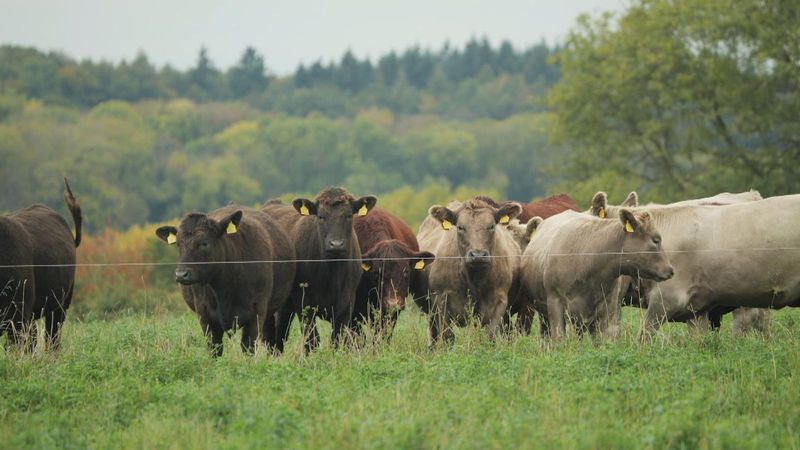
UK Market: Beef Market in Turmoil as Herds Shrink and Costs Spiral
What happened: The UK beef market is facing significant turmoil, with farmers battling a combination of shrinking herds, rising costs, and structural subsidy changes post-Brexit. According to a Sky News report, farmgate prices, while high, are not enough to offset spiralling operational costs, including increased labour, energy, and feed prices, the last of which was exacerbated by a dry summer. Many farmers are reducing their herds to cut costs, which will tighten supply further in the coming years.
Why it matters: This represents a structural decline in UK beef production. The National Beef Association notes that political and economic forces, such as changes to inheritance tax and the removal of direct support for food production, have shattered farmer confidence and are discouraging investment, despite high prices. This is leading to a long-term supply contraction.
Implications & suggested actions:
UK Processors & Retailers: Prepare for sustained high beef prices and tighter domestic supply. This will increase reliance on imports and may require a greater focus on more affordable cuts to manage consumer-facing inflation.
EU Exporters (to UK): The shrinking UK herd creates a significant and stable opportunity for EU beef exporters, particularly from Ireland, to fill the supply gap.
UK Producers: The only way to make the "sums add up," as one farmer noted, is to capture more of the value chain, such as through direct-to-consumer sales via farm shops and local butchery.
Global Market: Cautious 2026 Pork Outlook Amid Trade and Health Risks
What happened: A new RaboResearch report forecasts a cautious and uncertain outlook for the global pork industry in 2026. While producers are focusing on productivity to manage fluctuating margins, the market is being shaped by trade instability and persistent animal health risks. Brazil is a key beneficiary, set to expand its global market share as the US and EU face trade challenges, particularly with China.
Why it matters: The global pork supply chain is re-balancing. Brazil is solidifying its position as a dominant exporter, while geopolitical tensions create headwinds for traditional powerhouses like the EU. Simultaneously, herd health remains a major disruptor, with new African Swine Fever (ASF) outbreaks reported in commercial herds in Germany and Romania, and PRRSv (porcine reproductive and respiratory syndrome) causing significant losses in Europe and North America.
Implications & suggested actions:
EU Pork Exporters: The trade relationship with China is becoming increasingly difficult. Exporters must accelerate efforts to diversify their markets to mitigate the risk of geopolitical actions and maintain export volumes.
Global Traders: Expect continued price volatility. While tighter supplies of competing meats (beef, chicken) will support pork consumption, disease-driven supply shocks (like ASF) remain a constant threat that can instantly alter trade flows.
Producers (Global): The focus must be on efficiency and herd health. With limited herd expansion expected globally, profitability will come from enhancing productivity, optimizing carcass weights, and stringent biosecurity to avoid catastrophic disease-related losses.
Sources
Bird flu spreads fast across Europe in early-season surge (24 October 2025). The Poultry Site. https://www.thepoultrysite.com/news/2025/10/bird-flu-spreads-fast-across-europe-in-early-season-surge
Shrinking herds and rising costs: The beef market is in turmoil - and inflation is spiralling (22 October 2025). Sky News. https://news.sky.com/story/shrinking-herds-and-rising-costs-the-beef-market-is-in-turmoil-and-inflation-is-spiralling-13454552
Global pork sector faces cautious outlook for 2026 - Rabobank (28 October 2025). The Pig Site. https://www.thepigsite.com/news/2025/10/global-pork-sector-faces-cautious-outlook-for-2026-rabobank