

Published in News
Inside the Melbourne Meat Plant Leak That Hospitalised 21 Workers
A carbon monoxide failure at a pork processing plant in Derrimut, Melbourne, sent 21 workers to hospital and exposed critical weaknesses in industrial safety systems.

A Routine Shift Turns Dangerous in Seconds
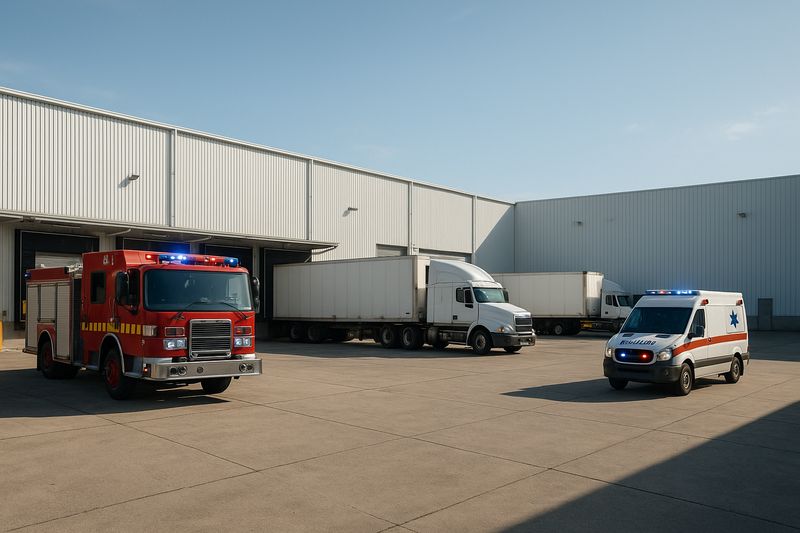
What started as an ordinary Monday at a pork processing facility in Derrimut, Melbourne, Australia quickly escalated into an emergency that shut down operations and sent ambulance crews rushing to the scene.
At 12:45 p.m., workers suddenly began feeling unwell — dizziness, vomiting, confusion — before alarms triggered a full evacuation.
What Triggered the Incident
Fire Rescue Victoria later confirmed the source:
A fault in meat preservation machinery released dangerously high levels of carbon monoxide (CO).
The plant’s detection system sounded early enough for roughly 60 workers to evacuate.
21 employees required hospital care.
Carbon monoxide is especially dangerous in industrial settings because it is colourless, odourless, and completely invisible without detectors.
On-Site Chaos Met with Rapid Response
When firefighters and paramedics arrived, they found several employees already collapsing or struggling to breathe. Crews immediately:
administered oxygen therapy,
performed rapid triage,
and coordinated transfers to four Melbourne hospitals.
As paramedics worked, more workers began showing symptoms — a common pattern with CO exposure, where effects escalate even after leaving the contaminated area.
Why Carbon Monoxide Is So Deadly
CO binds to haemoglobin 200–300 times more strongly than oxygen.
Once absorbed, it starves vital organs — the brain and heart first — even if the person is breathing “normal” air.
Typical symptoms appear harmless at first:
headache
nausea
dizziness
light-headedness
But left untreated, they can escalate to unconsciousness, organ damage, or death.
Fire Crews Found “Dangerously High” Levels
Wearing full breathing apparatus, firefighters entered the building with gas detectors. Readings confirmed:
CO concentrations high enough to be life-threatening
rapid ventilation required
the leak traced to industrial equipment failure
The incident was brought under control within 49 minutes.
Investigation Now Underway
WorkSafe Victoria has launched an inquiry into:
equipment maintenance
plant procedures
the condition of the faulty machinery
compliance with industrial safety standards
For the global meat industry, the event serves as a reminder:
invisible hazards are often the most dangerous.
A Global Lesson for Food Processing Facilities
Although this incident happened in Australia, the warning applies universally.
Across Europe, the Americas, and Asia, thousands of plants use similar preservation systems and face similar CO risks.
Critical takeaways for operators worldwide:
CO alarms must be fully functional at all times
regular equipment checks are non-negotiable
staff should recognise early symptoms of exposure
emergency evacuation plans save lives
All Workers Expected to Recover — But the Questions Remain
All 21 hospitalised workers remain in stable condition, though under observation due to the delayed effects CO can cause.
While the quick response prevented a fatal event, the incident raised hard questions about safety culture, preventative maintenance, and the quiet vulnerabilities built into industrial food production.
Sources: