

Published in News
Hurricane Melissa Leaves Caribbean’s Meat Sector on the Brink
Hurricane Melissa’s path of destruction across Jamaica and neighboring islands has crippled livestock farms, decimated egg production, and strained already fragile meat supply chains, raising fears of regional shortages and higher food prices.

A Storm That Shook the Breadbasket
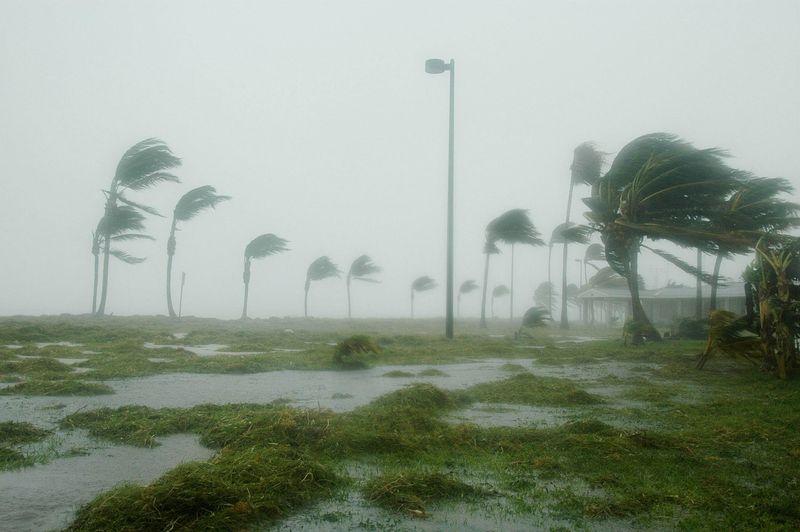
When Hurricane Melissa tore through the Caribbean in late October, Jamaica’s famed “breadbasket” parishes — especially St. Elizabeth and Manchester — bore the brunt. Winds exceeding 130 km/h and torrential rains flattened crop fields, swept away livestock shelters, and destroyed feed stores.
For the island’s agricultural community, Melissa wasn’t just another storm; it was a direct hit to the foundations of food security. Officials now warn that Jamaica’s livestock and poultry sectors could take months to recover.
Massive Losses in Poultry and Egg Production
The most immediate impact has been felt in the poultry and egg industries — crucial pillars of Jamaica’s protein supply.
According to reports from Reuters and The Gleaner, thousands of chickens were killed as coops collapsed under high winds or flooded beyond salvage. Two major egg-producing facilities — together supplying roughly 75,000 eggs per day — were completely destroyed.
The loss is more than economic. Eggs are a staple protein source for local households and bakeries, and their sudden shortage has forced the government to consider importing liquid eggs to stabilize the market. Prices for fresh eggs and poultry meat are already climbing in local markets, and shortages are expected to persist through the end of the year.
Livestock Farms in Crisis
Beyond poultry, smallholder farmers who rear goats, pigs, and cattle are facing ruin. Many lost entire herds to floodwaters or structural collapses. In parishes like Clarendon and St. Elizabeth, pastures are waterlogged, and animal feed is in critically short supply.
Farmers are now grappling with a new challenge — disease outbreaks. Standing water and carcass contamination raise risks of bacterial infections in animals, threatening what’s left of the herds.
The Ministry of Agriculture has begun distributing emergency feed and veterinary kits, but as one St. Elizabeth farmer told local media, “You can’t feed hope to animals — we need feed, water, and time.”
Processing and Supply Chain Disruptions
While Melissa did not directly hit Jamaica’s largest meat-processing hubs, the storm disrupted cold storage and distribution networks. Power outages across multiple parishes left processors scrambling to preserve perishable goods.
Transport has been another hurdle: blocked rural roads and damaged bridges have prevented trucks from collecting animals and delivering feed. The result is a bottleneck that’s likely to ripple through the entire farm-to-market pipeline.
Regional analysts predict temporary shortages of fresh poultry and pork products, especially in urban centers like Kingston and Montego Bay.
Regional Ripple Effects: Cuba and the Wider Caribbean
Jamaica wasn’t alone in facing the storm’s fury. As Melissa brushed Cuba’s northern coast, the island’s Ministry of Agriculture activated emergency measures to safeguard livestock and food storage facilities, emphasizing the storm’s broad agricultural threat.
The FAO has also begun mobilizing support for Caribbean nations, citing concerns about “rural livelihood recovery” and livestock resilience in small island economies.
Rebuilding the Sector: What Comes Next
Agricultural economists warn that rebuilding the meat and livestock sector will require more than immediate aid. Feed prices are likely to rise due to damaged import channels, and farmers may need months to repopulate flocks and herds.
Experts from the University of Georgia’s AgroClimate team note that post-storm recovery hinges on rapid assessment, feed supply stabilization, and disease management — all critical steps to prevent deeper protein shortages.
The Jamaican government is considering low-interest loans and disaster grants for affected farmers, alongside partnerships with private processors to restore local meat output before Christmas.
Sources:
Reuters: “Jamaican farms reel from Hurricane Melissa, fueling fears of food shortages”
https://www.reuters.com/business/environment/jamaican-farms-reel-hurricane-melissa-fueling-fears-food-shortages-2025-11-02/Associated Press: “Hurricane Melissa deals another heavy blow to Jamaica’s farmers and fishers”
https://apnews.com/article/880f6182c6054f8b65a34872d9e211ccAssociated Press: “The Latest: Hurricane Melissa impacting southeastern Bahamas after dozens killed across Caribbean”
https://apnews.com/article/2c4547a7c37002b25c11a1074eaaf7b5Reuters: “Jamaica’s strongest-ever storm, Hurricane Melissa, turns to Cuba”
https://www.reuters.com/sustainability/climate-energy/wmo-says-hurricane-melissa-will-be-jamaicas-worst-storm-this-century-2025-10-28/