

Beef Mince Shock: Global Pressures Push Prices Higher
Beef mince prices are soaring—driven largely by shortages in the United States—and consumers worldwide may shift their eating habits as a result.

Beef Mince Prices Surge as Global Market Squeezes Supply
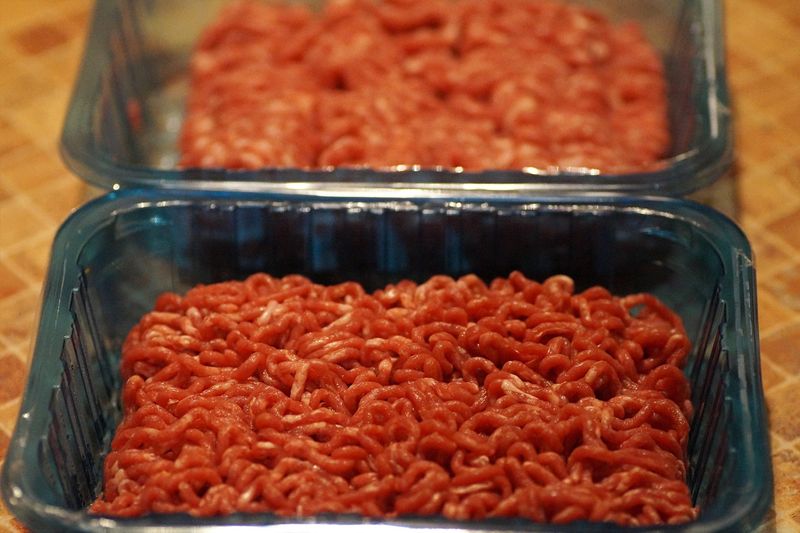
An everyday kitchen staple in many countries, beef mince is suddenly becoming a luxury. New Zealand, a major global exporter of red meat, is feeling the impact most acutely: the price of a kilogram of mince has climbed 18% since the start of the year, far outpacing general food inflation.
While food prices in Aotearoa rose 4.7% in the year to October, beef mince now averages NZ$23.17 per kilo, surpassing even traditionally pricier cuts like lamb chops. Similar upward pressure is being felt across regions that rely on imported beef—Asia, North America, and parts of Europe—highlighting the truly global nature of the squeeze.
Why the World Is Competing for New Zealand Beef
According to RaboResearch senior analyst Jen Corkran, the surge is tied to soaring international demand, particularly from the United States, which is currently experiencing cattle herd numbers at multi-decade lows. As American producers rebuild their herds, the US is increasingly reliant on imported lean beef—exactly the type New Zealand exports in large volumes.
With around 80% of New Zealand's beef shipped overseas, domestic retailers are forced to compete with global buyers willing to pay more. In effect, what happens in the US beef sector now directly shapes the price at the supermarket in Wellington, London, or Tokyo.
Expect Changes in Consumer Behaviour
Corkran predicts these high prices could linger for several years as the US herd recovers. The result? Shoppers—both in New Zealand and globally—may reach for cheaper proteins like pork and chicken, or stretch their beef dishes by bulking them with vegetables, grains, or legumes.
Even Fast Food Giants Are Feeling It
The cost pressure isn’t limited to households. McDonald’s New Zealand, which uses thousands of tonnes of local beef annually and exports even more for the company’s global supply chain, is also grappling with rising input costs. With the corporation serving 70 million customers a day worldwide and using roughly 2% of the planet’s beef, even moderate price swings can significantly affect its operations.